When it comes to various Electrical Installations, building codes, and even product specifications, you might have come across the terms “Dry”, “Wet”, and “Damp Locations”. But what exactly do these terms mean, and why is it crucial to distinguish between them? Let’s dive in and explore.
Dry Locations Definition
A dry location is an area that is not normally exposed to moisture or water. This could be the interior of a well-ventilated building, such as a living room, bedroom, or an office space where there is no direct contact with water sources. In a dry location, the environment is relatively stable in terms of humidity and there is no likelihood of water splashing, dripping, or pooling. Manufacturers typically do not build electrical devices and fixtures designed for dry locations with extensive water protection measures. For example, a standard table lamp or a wall-mounted light fixture in a dry indoor room doesn’t need to be highly resistant to water ingress. However, it still needs to meet basic safety standards to prevent any electrical hazards in case of minor environmental changes or accidental spills.

Wet Locations Definition
Wet locations, on the other hand, are areas that are regularly exposed to water or are in direct contact with it. This includes places like swimming pools, outdoor fountains, and the area under a constantly running waterfall. In wet locations, the presence of water is a constant factor. Electrical equipment and wiring installed in wet locations must be highly resistant to water and corrosion. Manufacturers often seal them and use special insulation to prevent electrical short circuits or damage from continuous exposure to water. For instance, designing underwater lights in a swimming pool to operate safely in a wet environment. Their enclosures are watertight and made of materials that can withstand the corrosive effects of chlorinated water over an extended period.

Damp Locations Definition
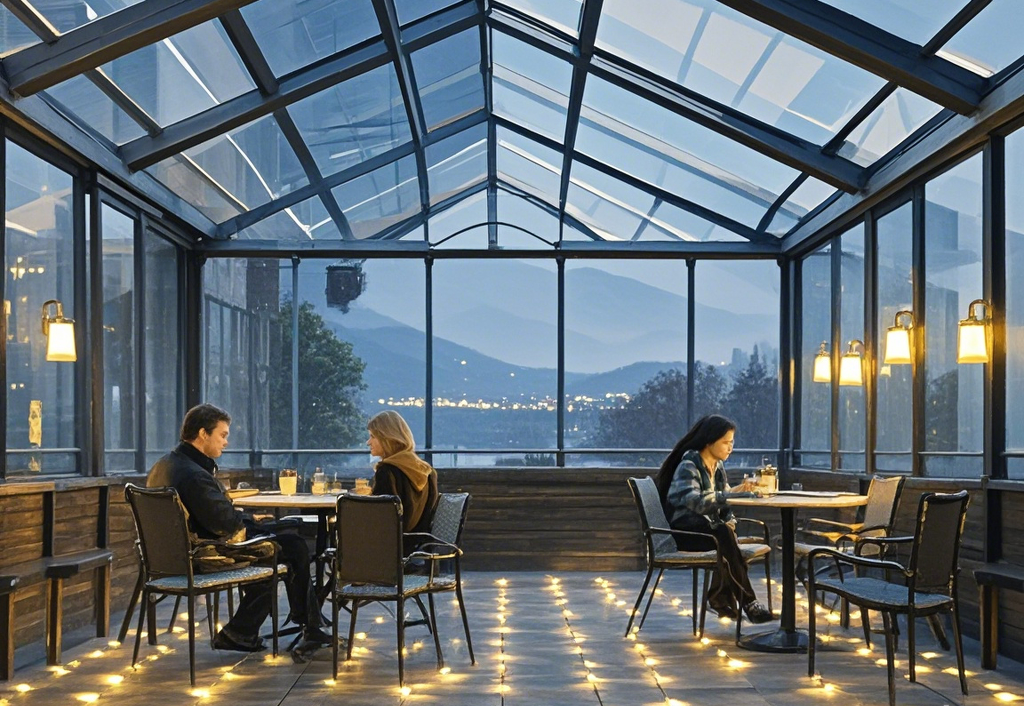
Damp locations fall somewhere in between dry and wet. These are areas where there is a moderate level of moisture present, such as a covered patio, a bathroom without a shower enclosure (where steam and occasional splashes occur), or a basement that may have some humidity but not standing water. Electrical fixtures and devices for damp locations need to have a certain level of protection against moisture. They are usually rated to handle some degree of humidity and occasional splashes. For example, rate a ceiling light in a bathroom without a shower stall for damp locations. It must resist moisture from steam and occasional splashes.
Using the wrong type of electrical equipment or fixtures in a particular location can lead to serious safety hazards, including electrical shocks, short circuits, and even fires. It can also cause premature damage to the equipment, resulting in costly repairs or replacements.
Electrical Installations in wet and damp locations have specific requirements to ensure safety and proper functionality. Here are the details:
Electrical Installations in Wet Locations
- Equipment Enclosure: Manufacturers must house electrical equipment in wet locations in enclosures designed to prevent water ingress. They typically rate these enclosures as watertight or submersible, depending on the level of water exposure. For example, junction boxes used near swimming pools or in fountains should have a high level of sealing to keep water out completely.
- Corrosion Resistance: Given the constant presence of water, which may contain chemicals or salts, all metal components of the electrical installation must be highly resistant to corrosion. Stainless steel or other corrosion-resistant materials are often used for conduits, fittings, and other hardware to prevent deterioration over time.
- Grounding and Bonding: Adequate grounding and bonding are crucial in wet locations to prevent electrical shock hazards. Ground fault circuit interrupters (GFCIs) must quickly cut off power in the event of a ground fault, reducing the risk of electrocution. Bond all metal parts of the electrical system and ground them to an effective electrode system.
- Wiring and Cable Selection: Manufacturers should specifically rate the wiring and cables used in wet locations for such environments. They typically use a water-resistant insulation jacket and may further protect them with a conduit or raceway. For underwater applications, they employ special submersible cables with enhanced insulation and mechanical strength to withstand pressure and water exposure.
- Sealing and Gaskets: In addition to the enclosure, proper sealing and the use of gaskets are necessary to prevent water from entering through small gaps or joints. This includes sealing around cable entries, conduit connections, and access panels to maintain the integrity of the watertight enclosure.
Electrical Installations in Damp Locations
- Moisture Resistance: Electrical fixtures and equipment in damp locations should be resistant to moisture and humidity. Manufacturers often construct them with materials and finishes that can withstand the effects of dampness without significant degradation. For example, they may coat bathroom vanity lights or outdoor covered patio lights with moisture-resistant coatings or use plastics or composites that are less affected by humidity.
- Splash Protection: Although not constantly submerged like in wet locations, damp locations may experience occasional splashes of water. Design or install electrical devices to prevent water from entering the internal components. This may involve using splash guards, sloped surfaces to direct water away, or enclosures with a degree of water resistance to handle small amounts of splashed water.
- Ventilation: Adequate ventilation is important in damp locations to prevent the buildup of moisture. This helps to reduce the risk of condensation inside electrical enclosures, which could lead to electrical problems. Ventilated enclosures or fans in bathrooms/basements help keep electrical equipment dry.
- Grounding: Similar to wet locations, proper grounding is essential in damp locations to ensure electrical safety. GFCIs are used in wet areas, like near sinks or outdoors, to reduce the risk of electrical shock.
- Installation Height: In damp areas like bathrooms, outlets and switches are placed higher to reduce water contact risk. This helps to prevent accidental splashing or water damage to the electrical components.
At Syston Cable Technology, landscape lighting cables and direct burial ethernet cables are waterproof, UV-resistant, and designed for extreme durability – trusted by industry professionals worldwide.
Got further questions about Safe Electrical Installations in wet and damp locations? We’re here to assist! Syston Cable Team is ready to help you find the ideal cable solution. Explore our website, check out our Facebook page, or get in touch with us directly for more industry news.