In any construction or electrical installation project, the importance of clear cable markings cannot be overstated. Contractors and electricians rely on these markings for efficient, safe, and precise work. Whether it’s a residential building, a commercial complex, or an industrial facility, having well-labeled cables is crucial to ensuring smooth operations, compliance with safety standards, and reducing the risk of costly errors. In this blog, we’ll explore the key reasons why clear cable markings are essential for contractors, and how they contribute to improved project efficiency and safety.
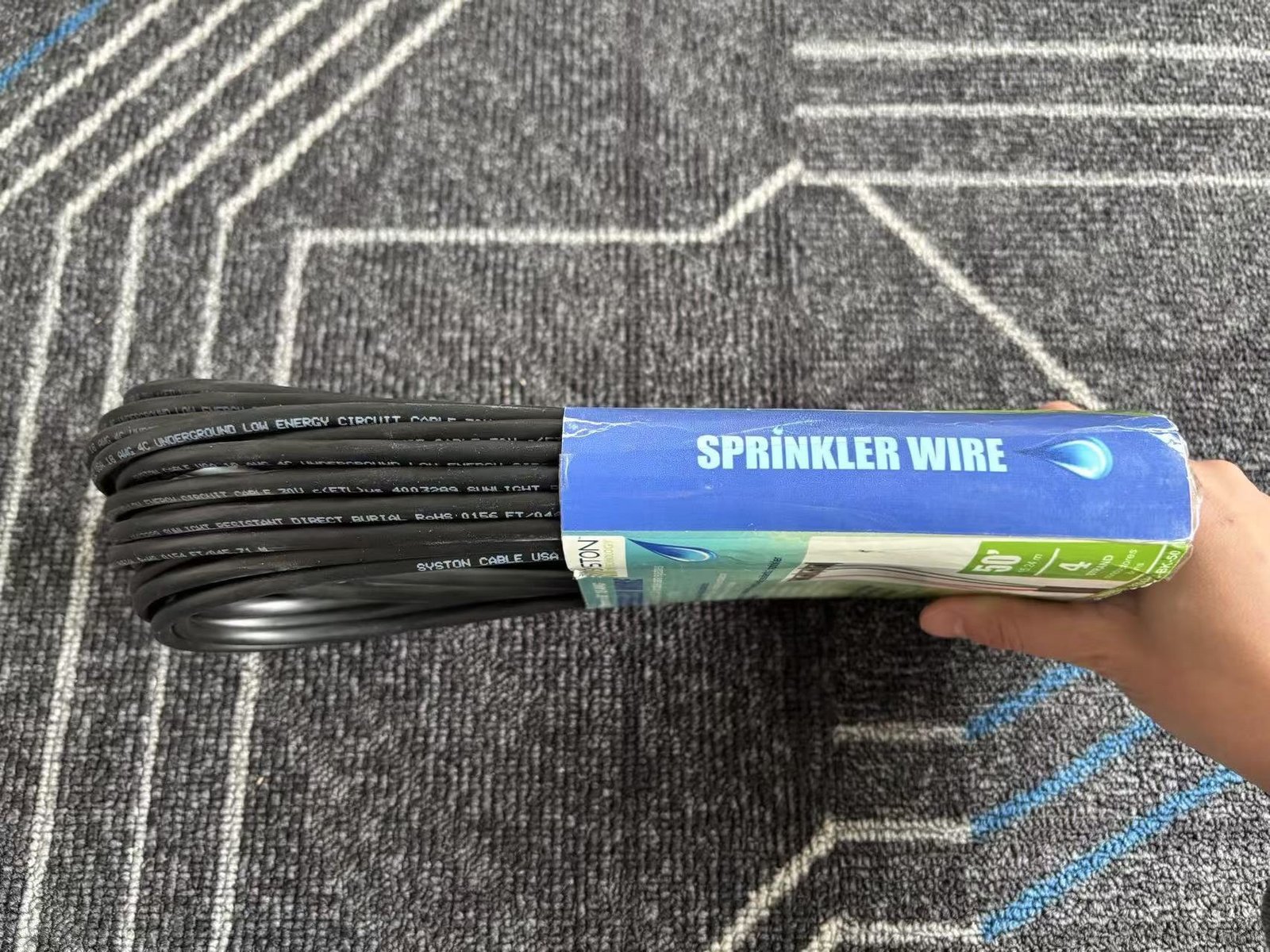
Why Cable Markings Matter: A Safety Perspective
Safety is the top priority in any construction environment, and the risks associated with unclear or missing cable markings can be significant. When cables are not properly labeled, workers may face serious safety hazards, such as accidental electrical shocks, fires, or equipment damage. In many cases, these hazards arise from mistakes made during installation, maintenance, or repairs.
For example, when electricians are working with live wires or performing upgrades on electrical systems, having clear markings can help them identify the specific type of cable they are working with—whether it’s high-voltage power lines, low-voltage circuits, or data cables. This immediate identification ensures that the correct safety precautions are followed, such as isolating power sources or using appropriate tools.
Additionally, in environments with many cables running through walls or ceilings, clear markings enable workers to avoid accidental cuts or short circuits when routing new cables. The importance of clear labeling cannot be overstated—especially when working with high-risk electrical systems.
Meeting Compliance Standards with Cable Markings
Construction and electrical installation projects are subject to various local, state, and national safety standards, including the National Electrical Code (NEC) in the United States, or the International Electrotechnical Commission (IEC) standards globally. One of the essential aspects of these regulations is the proper identification and marking of electrical cables.
Clear cable markings help ensure compliance with these regulations. Failure to adhere to these standards not only poses risks to the workers but can also result in significant fines, project delays, or the need for costly rework. For example, the NEC specifies guidelines for color-coding cables based on their voltage and purpose, which allows workers to quickly recognize the type of cable in question. By ensuring that all cables are clearly marked and in accordance with these guidelines, contractors can avoid compliance issues and keep the project running smoothly.
In addition to avoiding legal consequences, clear markings also help to streamline inspections and audits, making it easier for contractors to demonstrate their adherence to safety protocols.
Improving Worksite Efficiency and Reducing Downtime
In the fast-paced world of construction, time is often of the essence. Clear and consistent cable markings play a significant role in improving the efficiency and productivity of the entire team. When cables are properly labeled, workers don’t have to waste time identifying or verifying cable types and connections, which can be particularly challenging in complex installations.
For example, during the installation of an electrical system, having cables pre-marked with color codes or labels allows electricians to immediately connect them to the correct terminals, saving time and reducing the likelihood of errors. In the case of troubleshooting or repairing an existing system, clear markings enable workers to quickly identify which cable is malfunctioning, significantly reducing downtime and improving the speed of repairs.
A well-labeled worksite also reduces the chances of having to redo or rewire connections, further enhancing overall productivity. When workers don’t have to second-guess which cable goes where, they can focus on more critical tasks, thus keeping the project on schedule.
Reducing Errors and Improving Communication Among Teams
Errors and miscommunication are common issues in construction projects, particularly when multiple teams are working in parallel. Without clear cable markings, contractors risk making costly mistakes, such as misidentifying cables, connecting the wrong wires, or neglecting important safety measures.
Clear cable markings eliminate much of the potential for human error by providing immediate visual cues about the cable’s type, function, and voltage rating. For instance, different colors can be used for different types of cables—red for power, blue for communication, yellow for high-voltage circuits, etc. This color-coding system ensures that everyone on site is on the same page and understands the purpose of each cable at a glance.
Moreover, when cables are properly labeled, it’s easier for contractors to communicate with each other. For instance, a supervisor may quickly point out to an electrician that a particular cable needs to be rerouted, without requiring a detailed explanation of the cable’s purpose or connections. This streamlined communication reduces confusion and helps keep the project on schedule.
Facilitating Maintenance, Upgrades, and Future Work
Clear cable markings are not just important for the current phase of a project—they are equally critical for future maintenance, repairs, and upgrades. As electrical systems grow and evolve, it’s essential to know which cables serve which purpose. When the time comes to add new components, troubleshoot an issue, or replace aging equipment, having well-labeled cables can save contractors a significant amount of time and effort.
For example, when a system is being upgraded to accommodate higher power demands or additional circuits, clear markings ensure that new cables are connected to the correct terminals and systems, avoiding errors that could compromise the overall safety or functionality of the system. Similarly, during maintenance checks or system inspections, technicians can quickly identify the status of various cables, improving the efficiency of their work and reducing the risk of unnecessary disruptions to the network.
In large facilities or multi-floor buildings, cable markings also allow for easier cable routing and organization, enabling a more systematic approach to maintenance tasks.
How Technology is Revolutionizing Cable Marking Systems
Advancements in technology have greatly improved the way contractors approach cable marking. Modern cable marking tools, such as printers, label makers, and software-driven solutions, allow contractors to produce highly durable and professional-quality cable labels. These labels are designed to withstand harsh environments, such as extreme temperatures, moisture, or exposure to chemicals, ensuring that they remain legible over time.
Additionally, digital solutions like cable management software can be used to keep track of cable locations, types, and configurations. This can be especially useful in large installations, where numerous cables are routed through various conduits and systems. By integrating digital tracking systems with physical cable markings, contractors can create a more comprehensive and easily accessible record of the installation, streamlining both future maintenance and troubleshooting efforts.
Types of Cable Markings Contractors Should Use
To maximize the benefits of cable markings, contractors must choose the appropriate type of labeling for each situation. Common labeling techniques include:
- Color-Coding: Different colors represent different cable types, such as red for power cables, blue for communication lines, and yellow for high-voltage cables.
- Text Labels: Labels with clear, readable text indicating the cable type, voltage, and destination.
- Barcodes or QR Codes: For larger systems, barcodes or QR codes can be attached to cables, allowing for digital tracking and easy scanning during maintenance.
- Tape Markings: Color-coded tape wrapped around cables at intervals can offer a quick solution for visible identification.
By combining these methods, contractors can create a comprehensive system that enhances safety and efficiency on the job site.
Conclusion: The Key to Safe and Efficient Projects
Clear cable markings are essential for ensuring safety, compliance, and efficiency in construction and electrical installation projects. By investing in a robust cable marking system, contractors can reduce the risk of errors, improve communication, and enhance the overall productivity of their teams. Whether it’s for preventing electrical accidents, meeting regulatory standards, or ensuring a smooth future maintenance process, the importance of clear and accurate cable markings cannot be underestimated. For any contractor looking to improve the quality and safety of their work, implementing a reliable cable labeling system is a crucial step towards success.
If you have any further questions, feel free to contact us anytime! Our cable experts are here to assist you. You can also explore our past blogs or subscribe to our Facebook pages for more updates and information.