When it comes to residential wiring, choosing the right cable is crucial for ensuring safety, functionality, and long-term reliability. Two of the most common options are NM Cable (Non-Metallic Sheathed Cable) and BX Cable (Armored Cable). Though both serve to transmit electricity, their structural differences and ideal use cases set them apart significantly. Below, we dive deep into their characteristics, advantages, and applications to help homeowners and contractors make informed decisions.
What is NM Cable?
Structure: NM Cable, often branded as Romex, is a flexible electrical cable composed of multiple conductors, typically a hot wire, neutral wire, and ground wire, all encased in a plastic, non-metallic sheath. The sheath is made of PVC, making it lightweight and easy to handle.
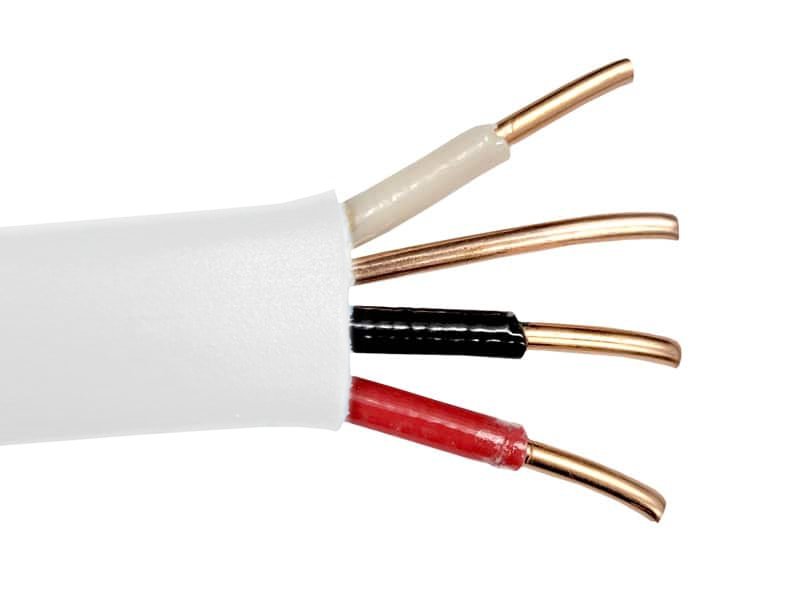
Advantages:
- Cost-Effective: NM cable is generally cheaper than armored cables, making it a budget-friendly choice for most residential applications.
- Ease of Installation: Its flexibility and lightweight design simplify installation, reducing labor costs.
- Versatile for Indoor Use: It’s well-suited for dry, protected environments like walls, ceilings, and floors within residential buildings.
Limitations:
- Lack of Physical Protection: The non-metallic sheath provides minimal resistance to physical damage, such as punctures or crushing.
- Restricted Usage: NM cable is unsuitable for exposed or outdoor installations, as it is vulnerable to moisture and UV degradation.
Best Use Cases:
- Wiring behind drywall in residential homes.
- Circuits for outlets, lighting, and appliances in protected indoor areas.
- Dry, low-risk environments where physical protection is unnecessary.
What is BX Cable?
Structure: BX Cable, also known as Armored Cable (AC) or Flexible Metal Conduit (FMC), features individual conductors insulated with plastic and encased in a flexible, interlocking metal sheath. The metal armor provides an extra layer of protection and acts as a grounding mechanism.
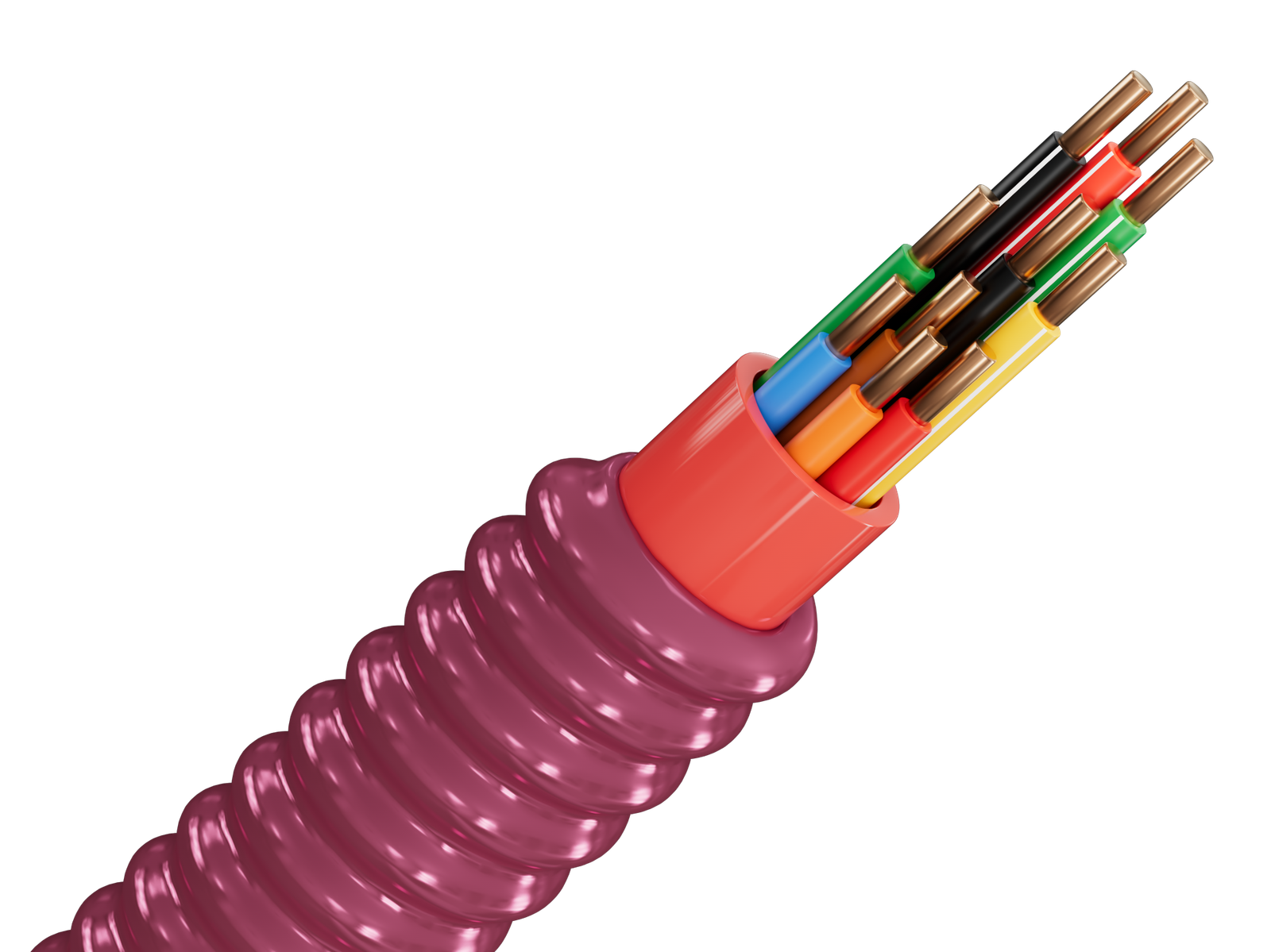
Advantages:
- Enhanced Protection:The metal armor protects against physical damage and is ideal for high-traffic or exposed areas.
- Fire Resistance:BX cables are more fire-resistant compared to NM cables, making them safer in certain scenarios.
- Versatility:Suitable for indoor and some outdoor use, especially in damp locations (if rated for it).
Limitations:
- Higher Cost:BX cables are more expensive than NM cables, both in terms of material and installation labor.
- Complex Installation:Cutting and handling the armored sheath requires specialized tools and expertise, which can slow down the installation process.
Best Use Cases:
- Exposed wiring in basements, garages, or utility rooms where the cable might be subject to physical damage.
- Situations requiring enhanced grounding or fire resistance.
- Areas with building codes mandating armored cables for added safety.
Key Differences Between NM Cable and BX Cable
| Feature | NM Cable | BX Cable |
| Sheath Material | Plastic (PVC) | Flexible metal (steel or aluminum) |
| Protection Level | Minimal | High |
| Fire Resistance | Low | High |
| Installation | Easy | Requires tools and expertise |
| Cost | Lower | Higher |
| Application | Indoor, dry areas | Exposed, damp, or high-risk areas |
When to Choose NM Cable?
NM Cable is ideal for homeowners seeking an affordable solution for wiring behind walls in a controlled environment. It’s a go-to choice for:
- Residential wiring projects within dry, protected spaces.
- DIY electrical work where ease of installation is a priority.
- Standard circuits for appliances, lights, and outlets in modern homes.
However, it should be avoided in high-risk areas where cables could be exposed to physical or environmental damage, as it lacks the robustness needed for such conditions.
When to Choose BX Cable?
BX Cable excels in environments demanding durability and safety. It’s a preferred choice for:
- Wiring in basements, garages, or exposed locations.
- Compliance with local building codes requiring armored protection.
- Projects in older homes where BX was historically used and compatibility is needed.
For those prioritizing long-term safety and robustness, especially in commercial or industrial settings, BX cable is worth the extra investment.
Final Thoughts: Which Cable Should You Use?
The decision between NM and BX cables boils down to the specific needs of your project. While NM cable is cost-effective and sufficient for most residential applications, BX cable offers superior protection and is essential in areas prone to physical or environmental stress.
Quick Guidelines:
- Indoor, Dry Areas: Opt for NM cable to save on costs without compromising functionality.
- Exposed or High-Risk Areas: Use BX cable for added safety and compliance with stricter regulations.
- Consult Local Codes: Always check local building codes to ensure compliance, as some jurisdictions may mandate the use of BX cable in specific situations.
Whether you’re a DIY enthusiast or working with a professional electrician, understanding these differences ensures your wiring choices are both safe and cost-effective. A well-informed decision not only safeguards your home but also provides peace of mind for years to come.
Have any further questions? Feel free to reach out! Our experts are ready to help you find the perfect cable solution. Visit our website, check out our Facebook or contact us directly for more information.